Enter the 4-digit code to continue.
Students · Homeschool · Schools · Corporate · Dallas–Fort Worth
It's grammatically perfect. Every word is valid. And it's nonsense.
A fluent question isn't a good question — and the answer is only ever as good as the question behind it. I teach people of every age to ask better ones. That's what computer science actually is.
The Foundation
Computer science isn't coding. It's the science of figuring things out — and the only way to figure anything out is to ask good questions about it.
A 7th grader stuck on a problem. A teacher building a lesson. A business team pointing AI at the wrong target. Same trap, every time: a confident question that was never interrogated, producing a confident answer nobody should trust.
So everything I teach starts in the same place — not with a screen, but with a question. Then it branches by who you are and how fast you're ready to move.
Same foundation. The full, patient arc.
Same foundation. Your schedule.
Same foundation. Students & faculty.
Same foundation. Compressed for teams.
Ways to Work Together
Grades 7–12 · Evenings & Weekends
One-on-one, 90-minute sessions in your home — the highest-touch option, personalized to your student's pace and goals. We follow the full arc: start unplugged with no screens, then move to hands-on machines, and only reach AI fluency once the thinking is solid.
Concrete first. Abstract later. Confidence the whole way.
Individual & Co-op Groups · Daytime
The same full arc as private sessions, scheduled during school hours when flexibility is highest. I integrate with your existing curriculum or build a standalone AI and CS track from scratch.
Available individually or for small co-op groups of 2–4 students — collaborative, community-building, and a better value per family.
Schools & Faculty · Daytime · On-Site
Half-day and full-day on-site workshops for small private schools. Student enrichment sessions follow the same hands-on arc — or train your faculty to teach question-quality, so the method reaches every student long after I've left the room.
The highest-leverage format: skills a teacher gains in a single day reach every classroom they ever run.
Small Businesses · Daytime · On-Site
Same spine, compressed for teams. We still start with a puzzle — yes, I'll bring the Turing Tumble into your conference room, because adults think better with their hands too. Then straight to the skill that matters: asking AI the right questions, spotting the flawed ones, and knowing when the confident answer is quietly wrong.
I train teams to think before they prompt. Most AI training teaches your team to use the tool. I teach them to out-think it — so they're faster and safer with it.
STEM Educator · Dallas, TX
About Mike
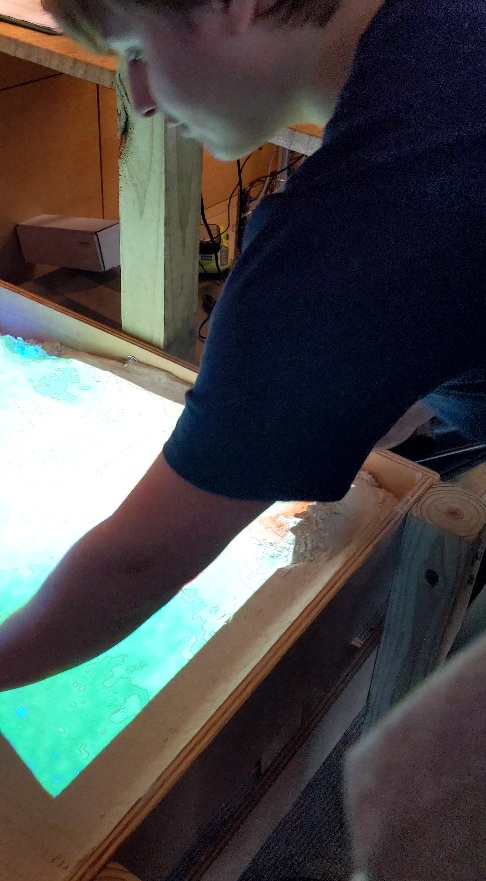
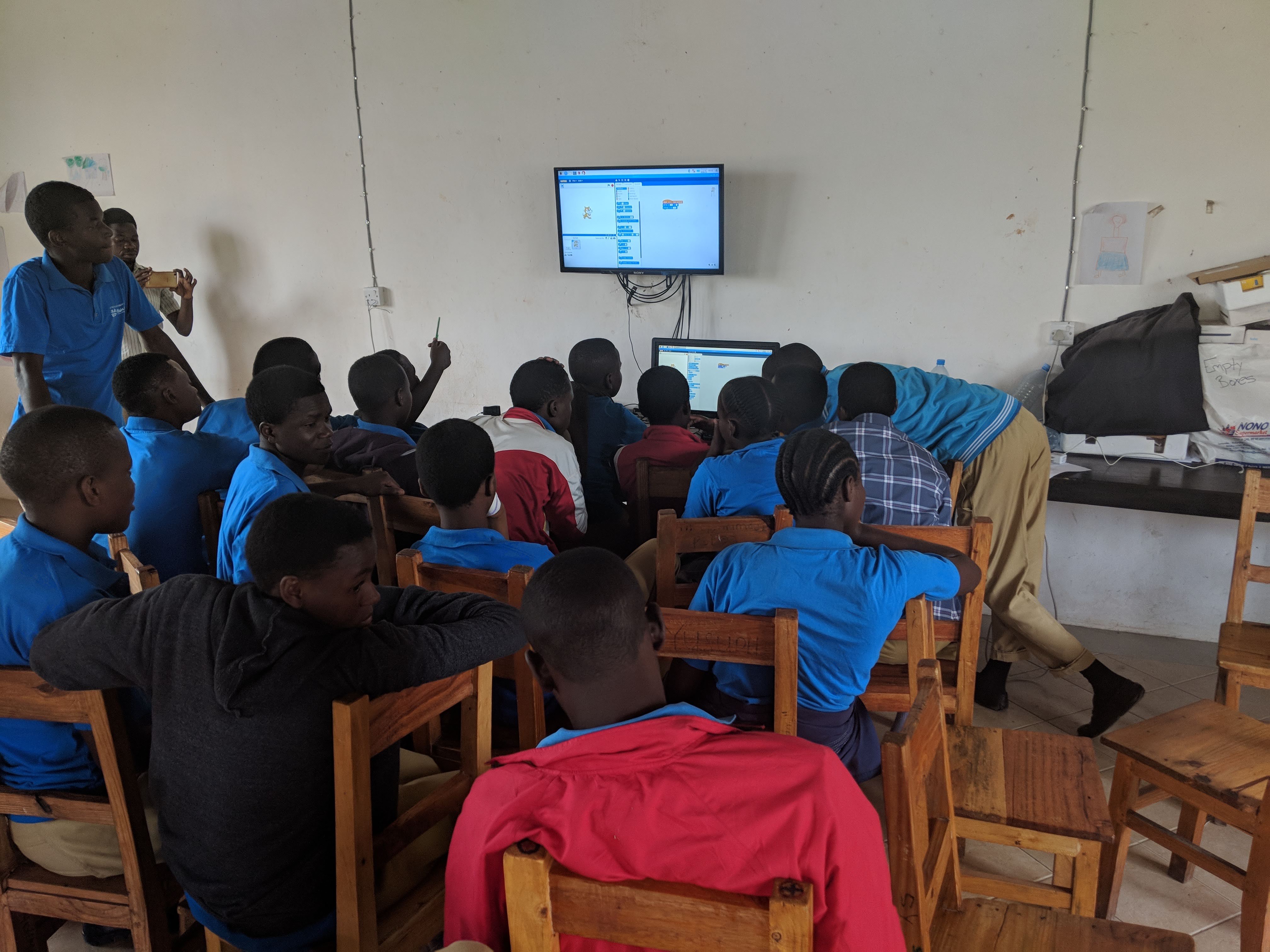
I've managed enterprise data centers, repaired thousands of machines as an Apple Mac Genius, designed solar energy systems, and spent nine years as STEM faculty at the Episcopal School of Dallas — where I built a maker-space curriculum from scratch, led high school engineering projects, and was one of ten faculty selected to teach in Tanzania.
A former supervisor called me a "born teacher" — before I'd ever been formally trained as one.
My daughter is a student at a school in the DFW area. I'm not an outsider selling a service. I'm a parent invested in the same schools and the same futures you are.
Built a maker-space and PBL/STEM curriculum from scratch; led high school engineering projects across the full spectrum of learners.
Complex solar and battery storage design and client education — real-world technical thinking kept sharp.
Over 10,000 repairs. Where the discipline of explaining hard things clearly and patiently began.
Enterprise infrastructure — understanding how data and systems actually work at scale.
Why Computer Science?
Euclid wrote algorithms in 300 BC. Alan Turing built the theory behind every computer ever made — with a pencil and paper. Computer science is the science of systematic problem-solving. It predates electricity by centuries.
Coding is one tool that computer science eventually produced. It's the notation, not the discipline. Mistaking one for the other is like mistaking sheet music for music.
We hand ten-year-olds Python syntax and call it computer science. We would never hand a five-year-old a music notation guide and call that a music education.
Sal Khan describes passing students at 70% mastery — then watching the gaps compound for years. The coding-first problem is worse. It's not a weak foundation. It's the wrong foundation entirely.
Imagine framing a house directly on compacted dirt. It goes up fast. It looks finished. The family moves in. Then the load increases — a harder problem, something that can't be solved by copying a pattern — and the structure shifts. Cracks appear everywhere. The family can't figure out why, because everything still looks right.
That's coding-first education. Syntax that runs. Thinking that was never built.
Around 8th or 9th grade, the problems get complex enough that syntax alone can't solve them. Students who were "great at coding" hit a wall. Confidence collapses. They decide they're just not a tech person.
They weren't bad at computer science. They were never taught it.
When I taught 1st–4th grade STEM, I was assigned to teach typing to first graders — kids whose hands were too small for the keyboard, who couldn't yet spell their last name, on timed assessments with speed targets. The rationale: it's a skill they'll need.
By that logic — why not teach first graders to drive? They'll need that skill too. We'd call that absurd, because readiness matters as much as eventual necessity.
Teaching coding before computational thinking is the same mistake. The right destination. The wrong road. At the wrong time.
We get there. The sequence is what matters.
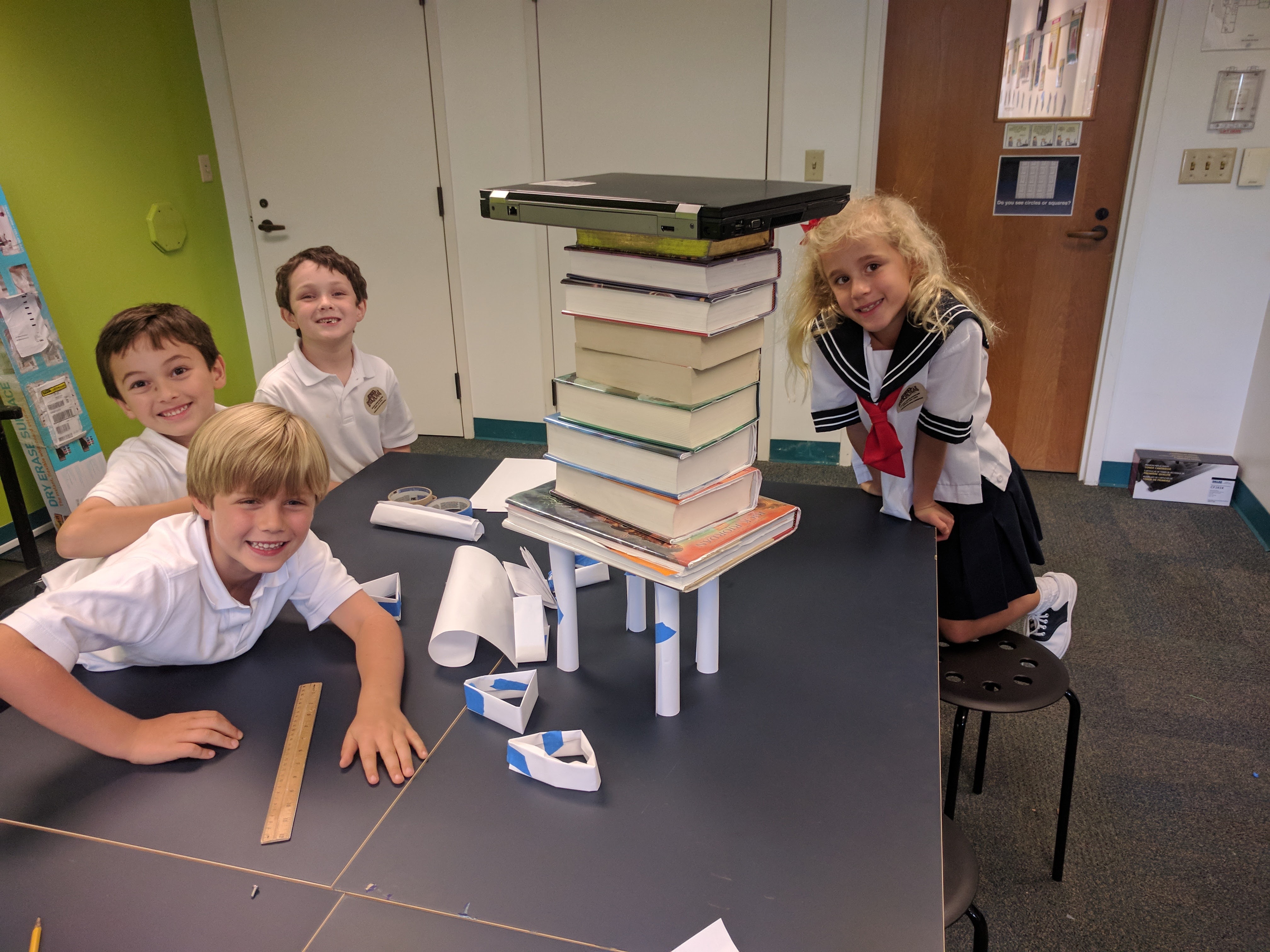
Algorithms, logic, decomposition through hands-on, screen-free activities. CS Unplugged, then the Turing Tumble — a marble-powered mechanical computer that proves this is real computer science with zero code.
Students start to feel the limit of working by hand. They know exactly what they want the machine to do. They just don't have a way to tell it yet. That frustration is the signal.
Now we introduce code — not as a new subject, but as the answer to a question they're already asking. Syntax learned this way clicks into place in days, not semesters.
When the language changes — Python to JavaScript to whatever comes next — the thinking carries over. Because the thinking was never about the language.
I'll be honest: I'm not the best coder in the room. I don't know every language. I'm not here to pretend otherwise.
Bill Belichick couldn't take a snap from Tom Brady — and nobody questions what he brought to those Super Bowls. His value wasn't execution. It was seeing the whole system, asking the right questions at the right moments, and building the environment where execution could happen.
That's my role. When a student gets stuck — and they will — the skill that unsticks them is never more syntax. It's better questions. What did you expect this to do? What did it actually do? Where are those two things different?
I'm not here to teach Python vs. JavaScript. I'm here to teach your student to think. The languages are easy once that's in place.
The world has plenty of people who can execute code. It is desperately short of people who understand computation well enough to direct them.
Mike Cogliandro · Dallas, Texas
Teaching Philosophy
Students who understand why technology works gain a confidence no one can ever take away.
Hands beat screens for building understanding. You remember what you've held, built, and broken.
Advanced learner or different thinker — I find the approach where this student leads. Every time.
What We Cover
How models work, where they fail, and how to use them as thinking partners — not shortcuts that quietly replace the thinking.
Deep computer science through physical activity — no coding required. Built on the CS Unplugged framework used in classrooms worldwide.
Real deliverables that stand out in college applications — documented work showing genuine intellectual investment, not padding.
Who This Is For
This isn't catch-up. It's preparation.
I work with the full spectrum — high achievers who want a deeper challenge, students navigating IB and AP, and students who think differently and have been waiting for instruction built around their strengths.
For homeschool families, I build around your schedule and curriculum. For schools and businesses, I bring the same rigor directly to your people.
Grades 7–12 at DFW private and public schools
IB, AP, and honors students wanting real CS and AI depth
Students with learning differences who thrive with hands-on instruction
Homeschool families — individual or co-op
School administrators seeking student enrichment or faculty PD
Small businesses ready to use AI faster — and safer
What Others Say
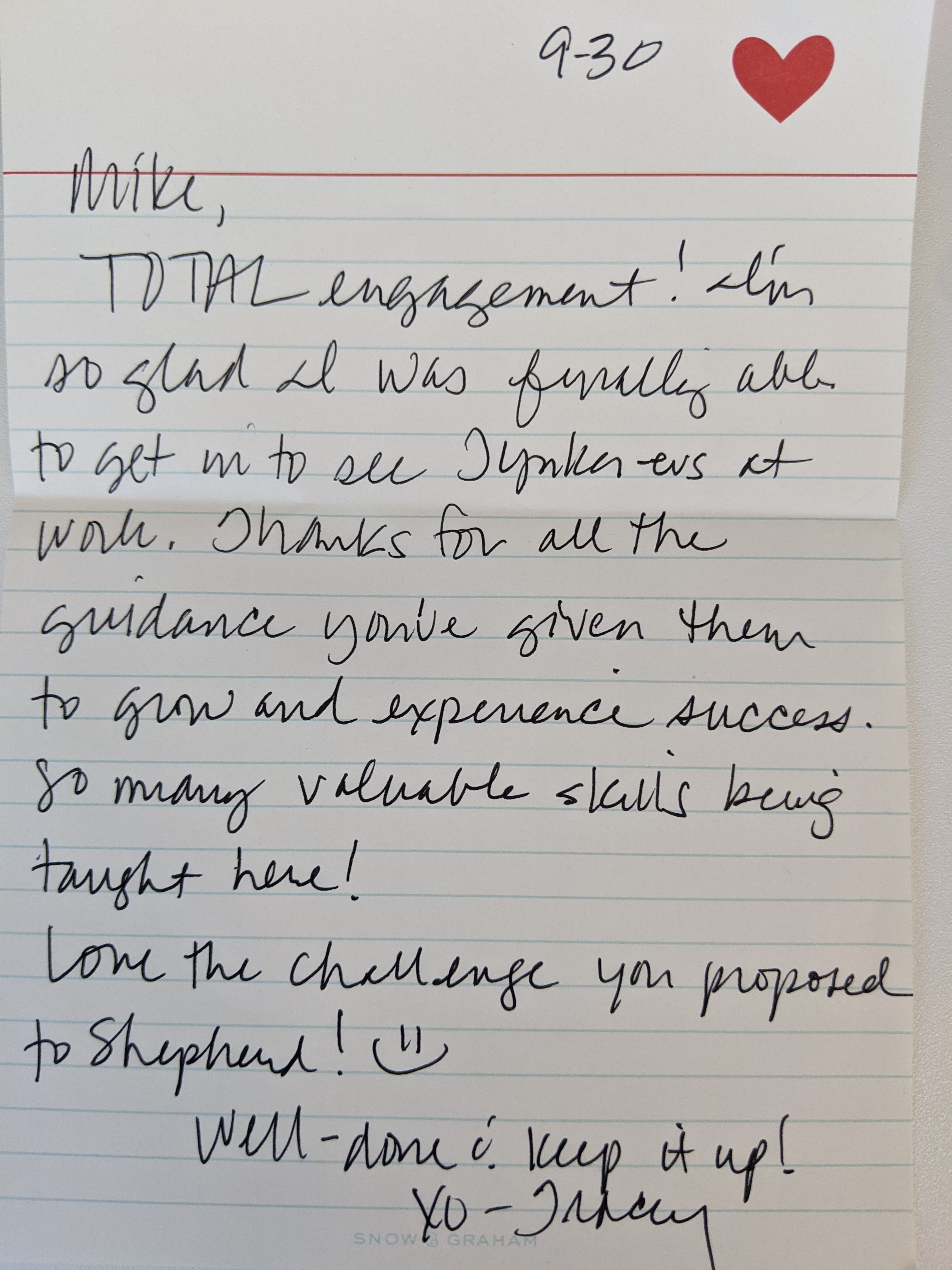
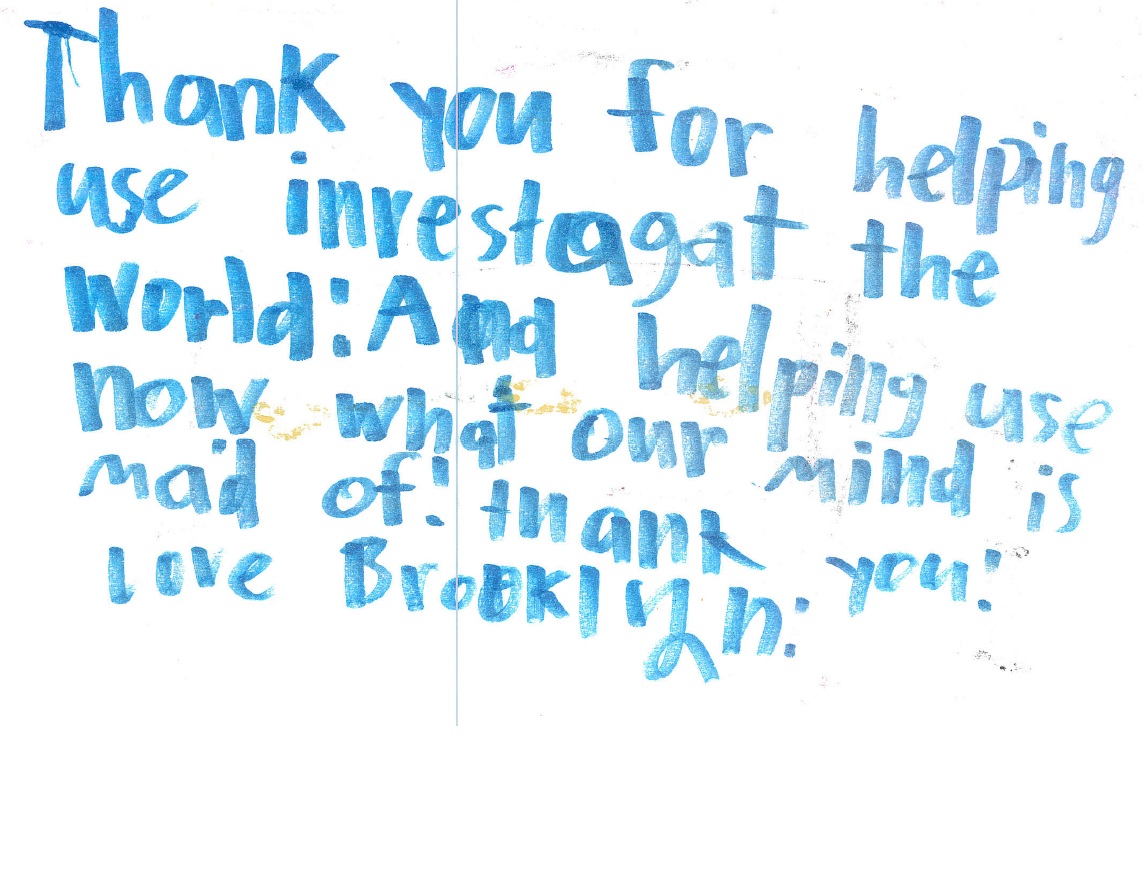
Though he was not a teacher by training at the time, he is a born teacher. He spontaneously taught an after-school class on computer troubleshooting and soon had students who idolized his tech skills. I have never had to ask a second time to find out when he would complete something. He will be a tremendous asset to any school lucky enough to work with him.
Doug nicknamed him "Radar" — he'd solved problems before you finished asking about them.
The after-school class wasn't assigned. Students wanted it.
Investment
per 90-minute session · no commitment
$200/session · save $500
20 sessions · $175/session
All sessions are 90 minutes, in your home across Dallas–Fort Worth. A no-charge discovery call is available before any commitment.
per 90-minute session
per student · 2–4 students · 90 min
Homeschool sessions run during school hours — ideal for daytime scheduling. Semester packages follow the same structure as private sessions.
Flat-rate engagements — no per-student fees. Delivered on-site and tailored to your goals. Teacher PD is the highest-ROI format: skills gained in a day reach every student that teacher ever has.
3 hrs · up to 15 students
6 hrs · up to 20 students
Custom cohort schedule
3 hrs · up to 20 teachers
6 hrs · up to 20 teachers
One session/month — your school's dedicated AI & technology thought partner.
$1,500 /monthAll workshop rates include prep, materials, and a post-session summary. Travel within DFW included.
For small businesses ready to use AI well. Most AI training teaches your team to use the tool. I teach them to out-think it — to ask the right questions, spot the flawed ones, and know when the confident answer is wrong. Faster and safer.
3 hrs · up to 15 people
6 hrs · up to 15 people
per month · ongoing
On-site across Dallas–Fort Worth. A no-charge scoping call is available to tailor the workshop to your team.
Get in Touch
Family, homeschool co-op, school, or business — reach out below and expect a personal reply, from me, within 24 hours.